
Adaptation to climate change is about local people's knowledge.

Adaptation to climate change must be locally led regardless whose funding it. We don’t need to get into debates about who’s more and less responsible for climate change and its effects. We know the facts so what we need to do is to bring our adaptation ideas together and be led by those in the frontline of impacts, such as peasant smallholder farmers in the ‘global south’ and Small Island Developing States (or ‘SIDS’). It's urgent that we help people take control of adaptation to climate change pre-crisis levels to help improve their resilience. Waiting to respond post-crisis will simply be too late and therefore won’t work. We must bring indigenous knowledge to the centre of pre-crisis adaptation to reduce the impact that climate risk has on people’s lives. Adaptation finance must be long-term and patient, yet responsive and catalytic to pursue scale in uncertain spaces.
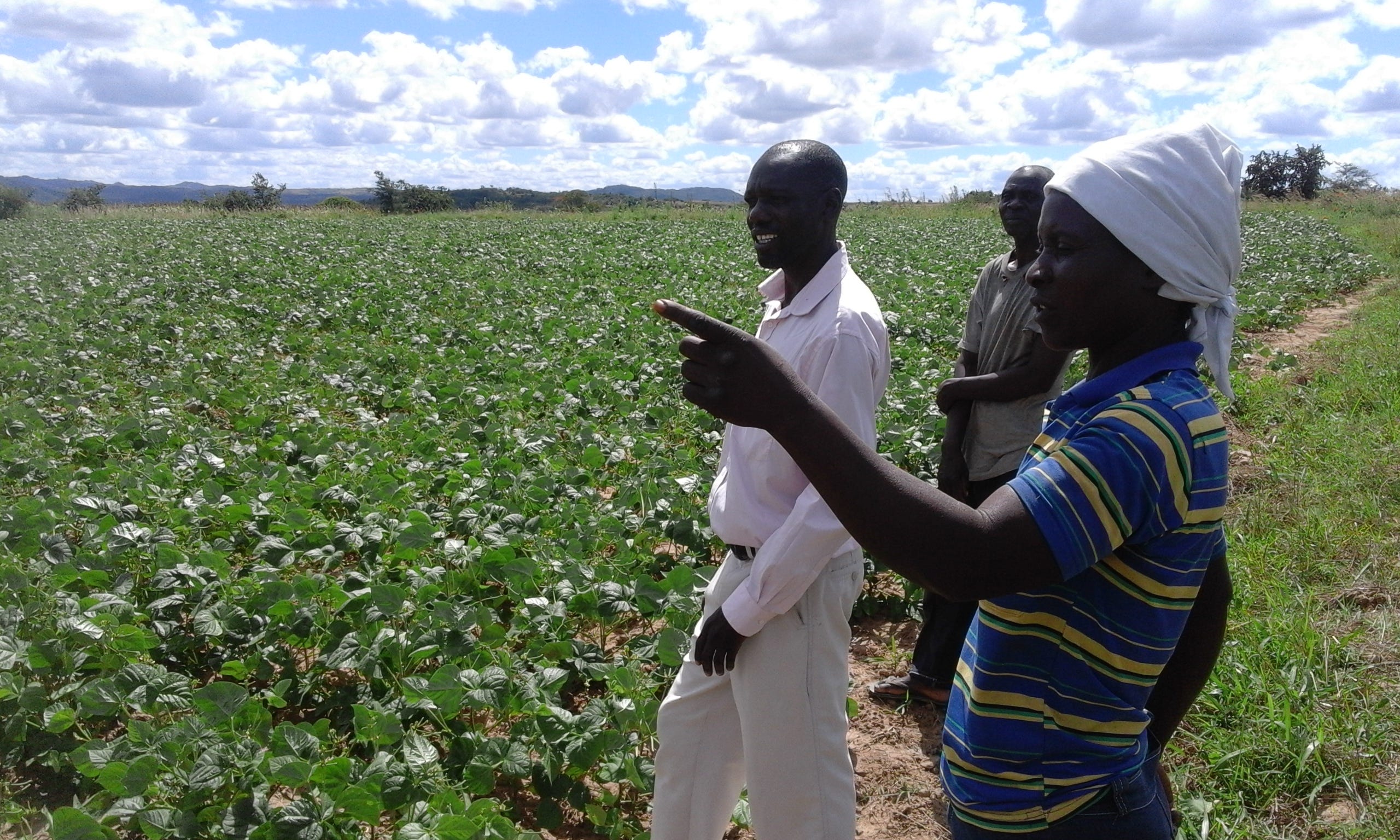
Indigenous knowledge systems alongside scientific methods must cooperate to give people a fighting chance in adaptation to climate change. Like many others who’ve studied and written about this, I believe we need to be daring in our adaptation and rethink what we consider limits to adaptation and its transformation. We must provide more support for people’s bespoke ways of responding to the climate crisis and their understanding of what it means to fail or succeed in adaptation to climate change. The role of global partners in supporting lesser developed countries must be to enable adaptation to climate change and not to determine it. What this means is that global partners must be prepared to listen to local knowledge about climate change and its effects and how people have been responding over the years. Unreserved investments in what works locally should then follow, led by people most-affected by the crisis and supported by diverse expertise.
People often know the best ways to help resolve the challenges they face. They just need to be listened to.